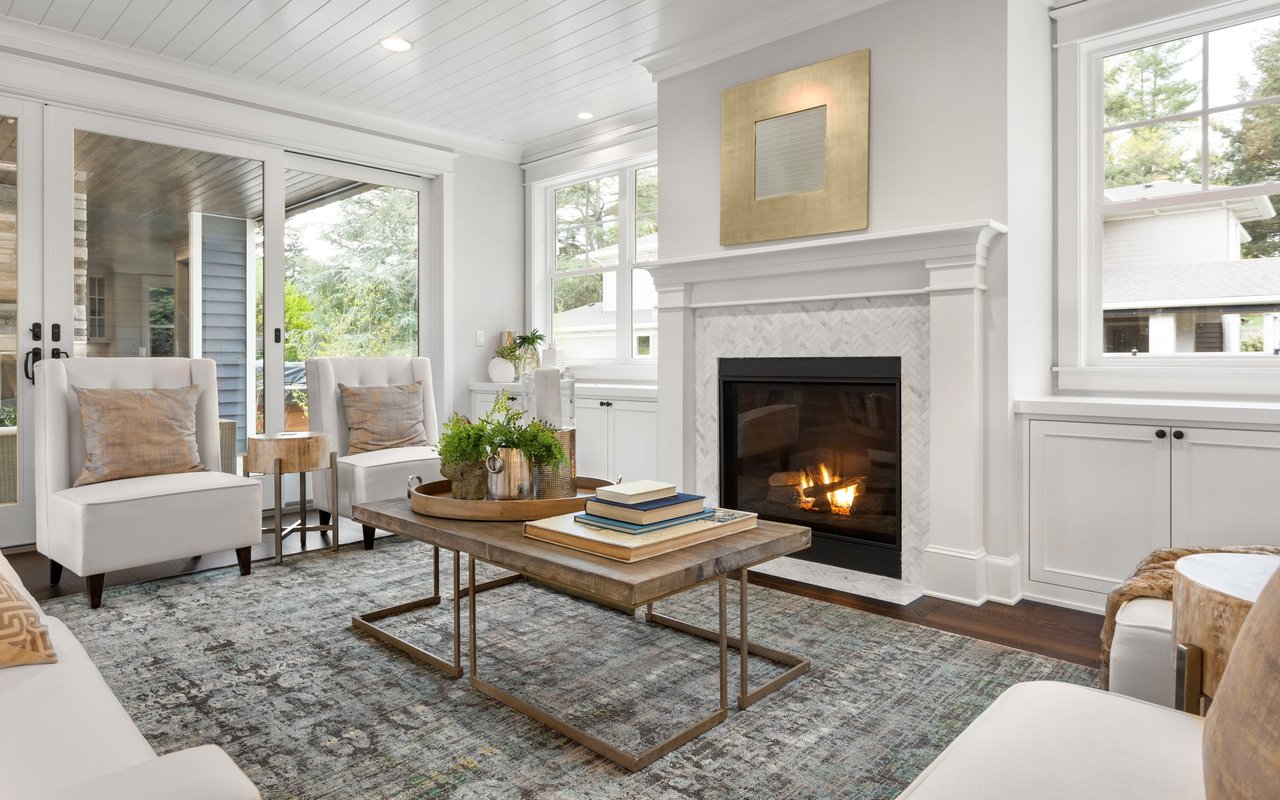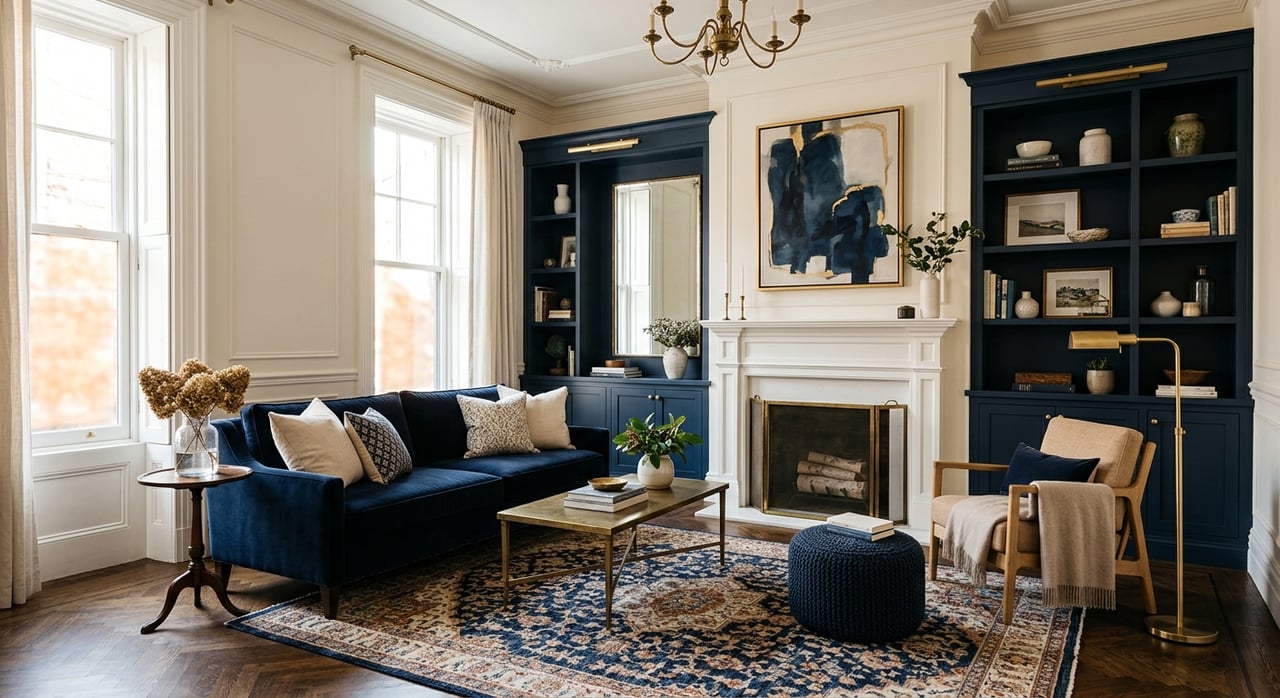
If you are selling a historic Georgetown home, staging is not just about making rooms look attractive. It is about presenting character, condition, and livability in a way that respects the home’s history and appeals to today’s buyers. When you get that balance right, your home can feel both timeless and ready for its next chapter. Let’s dive in.
Why Georgetown staging is different
Georgetown is Washington’s first historic district, listed on the National Register and designated a National Historic Landmark. That matters because buyers are often drawn to the neighborhood for its federal-style architecture, brick and frame rowhouses, cobblestone streets, and estate homes. In other words, your home’s period details are part of its value story.
That also means pre-sale preparation needs a careful hand. In Georgetown, many exterior changes visible from a public street or alley are reviewed by the Commission of Fine Arts and the Old Georgetown Board. Front-facing updates are not just cosmetic decisions. They can also be preservation decisions.
Start with a preservation-first plan
The smartest pre-listing strategy for many Georgetown sellers is simple: repair first, stage second, and avoid last-minute exterior changes that could create review issues. Buyers want a home that feels cared for, comfortable, and visually coherent. They do not need every old detail erased or replaced.
DC guidance supports that approach. Routine exterior maintenance, basic window repair, storm windows, and shrub or tree planting or removal are generally among the lower-friction items. Paint selection is also generally exempt from preservation review, except for painting unpainted masonry on historic landmarks.
This is where strategy matters. Before you spend money, focus on work that improves presentation without fighting the historic character that buyers came to Georgetown to find.
Focus on the spaces buyers notice most
Staging works because it helps buyers picture how they would live in a home. In NAR’s 2025 Profile of Home Staging, 83% of buyers’ agents said staging makes it easier for buyers to visualize a property as their future home. Sellers’ agents also reported benefits in offered price and time on market.
For Georgetown homes, the most important rooms usually line up with both buyer priorities and the neighborhood’s housing style. In many rowhouses and larger historic homes, your strongest staging returns often come from the:
- Entry
- Living room
- Dining room
- Kitchen
- Primary bedroom or suite
These spaces set the emotional tone of the home. They also tend to showcase the details that make Georgetown properties memorable, such as original floors, moldings, fireplaces, tall windows, and formal room proportions.
Let architecture lead the staging
In a historic home, furniture should support the architecture, not compete with it. Oversized sectionals, bulky case pieces, and heavy decor can make a rowhouse feel tighter and block sightlines that should stay open.
Instead, use scaled furnishings that make circulation feel easy. You want buyers to notice ceiling height, window depth, fireplace mantels, stair lines, and the rhythm between rooms. A well-staged Georgetown home should feel elegant, calm, and effortless to move through.
That same principle applies to accessories. Keep styling edited and intentional so original materials stay front and center. The goal is to make the home feel elevated, not overdecorated.
Use color to lighten, not flatten
Paint is often one of the easiest ways to freshen a home before listing. For interiors, soft, warm whites in living areas and warm neutrals in bedrooms can help rooms feel brighter and more welcoming while still working with older trim, masonry, and wood floors.
In Georgetown, exterior color choices should be approached with more care. DC guidance for porches and steps notes that paint schemes should complement the facade and neighboring buildings. That is especially important on historic rowhouse blocks, where continuity and restraint usually look better than high-contrast trend choices.
If you are refreshing exterior painted surfaces, choose colors that support the home’s architecture rather than trying to modernize it with something flashy. Timeless usually wins.
Improve curb appeal the low-friction way
Buyers form opinions before they step inside, and Georgetown homes often make that first impression from the sidewalk. Fortunately, some of the most effective curb appeal steps are also among the most straightforward.
Focus on maintenance and restraint. Clean masonry and entry areas where appropriate, tidy planting beds, refresh containers if you use them, and make sure the approach to the front door feels orderly. If your porch or front steps need attention, repair in kind is usually the best path because DC treats porches and steps as character-defining features.
That means preserving original proportions and materials whenever possible. A neatly maintained stoop or entry can say far more than a trendy redesign.
Be thoughtful with windows and doors
Windows and doors are major visual features in Georgetown homes, and they also shape comfort, light, and energy feel during showings. Preservation guidance prefers retention and repair before replacement. Weatherstripping, storm windows, and modest weatherproofing measures can improve performance while helping preserve the historic appearance.
If replacement is truly needed, the new work should closely match the original profile and configuration. Sellers sometimes assume a quick pre-listing window swap is simple, but in Georgetown that may not be the case. DC guidance notes that review packages can require photos, measurements, and manufacturer specifications.
So if windows are part of your plan, start early. Do not build your listing timeline around a rushed exterior decision.
Highlight comfort without erasing age
Older Georgetown homes often have built-in strengths that buyers still value today. DC’s sustainability guidance for older and historic buildings points to features like thick walls, operable windows, transoms, high ceilings, shutters, awnings, and landscaping as inherent assets that should be maintained where they exist.
That is good news for sellers. You do not need to make a historic home feel brand new. You need to help buyers experience it as comfortable, functional, and well cared for.
Simple staging choices can support that message:
- Open shutters and window treatments to maximize natural light
- Arrange furniture to show airflow and room scale
- Keep transoms and tall windows visually clear
- Use light bedding and textiles to soften older rooms
- Avoid blocking fireplaces, trim details, or original floor patterns
When buyers can see both beauty and livability, the home tends to resonate more strongly.
Clean, declutter, and photograph well
Some of the highest-impact listing preparation is not glamorous. NAR reported that top recommendations to sellers included decluttering, cleaning the entire home, and improving curb appeal. Buyers’ agents also rated photos, physical staging, videos, and virtual tours as highly important.
That makes visual discipline essential. Historic homes can collect layers of furniture, books, artwork, and inherited pieces over time. Before photography, edit aggressively enough that rooms feel defined and spacious, but not so much that the home loses warmth.
Pay special attention to:
- Entry tables and stair halls
- Mantels and built-ins
- Kitchen counters
- Bathroom surfaces
- Bedroom nightstands and dressers
- Basement or lower-level storage areas visible in tours
A Georgetown home should look polished in person and on screen. Today’s buyer often meets your home through photos first.
Plan exterior work around review rules
One of the biggest mistakes sellers make is treating exterior prep like a standard cosmetic checklist. In Georgetown, whether work is visible from a public street or alley can change the review path. Visible work generally goes through the Commission of Fine Arts and the Old Georgetown Board, while non-visible exterior work is generally handled by the Historic Preservation Office and Historic Preservation Review Board.
If your property has a conservation easement, written approval from the easement holder is required before submitting an exterior-alteration permit application. That is a detail worth confirming early if you are considering any visible exterior updates before listing.
The practical takeaway is simple. If a project affects the front-facing appearance of the house, treat it as a strategic decision, not a quick cosmetic fix.
Work with the right contractors
Historic-home prep calls for specialized judgment. If older painted wood elements need sanding, stripping, or repair, remember that homes built before 1960 may contain lead-based paint. Lead-safe caution is important, and approved contractors are the safer choice for this kind of work.
DC guidance also recommends using professionals who understand historic materials and methods when deterioration appears. That can help you avoid repairs that look out of place or create bigger issues later.
For sellers, this usually means the best team is not just fast. It is preservation-aware, detail-oriented, and able to sequence work correctly before photography and launch.
A smart Georgetown selling strategy
The best-prepared Georgetown listings usually do three things well. They protect the home’s architectural identity, improve day-to-day comfort, and present each room with clarity. That combination helps buyers connect emotionally without worrying that the home has been overworked or carelessly altered.
For many sellers, the winning formula is not dramatic renovation. It is disciplined staging, selective repair, and thoughtful coordination. In a neighborhood where historic character is part of market appeal, that often creates the strongest result.
If you are preparing a Georgetown home for sale and want a calm, hands-on strategy for staging, pricing, and launch, connect with Hugh McDermott.
FAQs
What makes staging a historic Georgetown home different from staging a newer home?
- Georgetown homes often derive value from original architectural details, and exterior changes may be subject to historic review, so staging should highlight character rather than cover it up.
What exterior updates are usually easiest before listing a Georgetown home?
- Routine maintenance, basic window repair, storm windows, paint selection in many cases, and landscape cleanup are generally lower-friction options, though visible exterior work should always be evaluated carefully.
Should you replace old windows before selling a Georgetown house?
- Not automatically. DC guidance prefers repair before replacement, and if replacement is needed, review materials may be required, so it is best to start early and plan carefully.
Which rooms matter most when staging a Georgetown home for sale?
- The entry, living room, dining room, kitchen, and primary bedroom or suite usually deserve the most attention because they shape first impressions and help buyers visualize daily living.
How should you approach porches and front steps on a Georgetown listing?
- Treat them as important historic features and focus on repair in kind, preserving original proportions and materials whenever possible.
What is the best overall pre-sale strategy for a historic Georgetown property?
- A repair-first, photo-ready, preservation-aware plan is usually the strongest approach because it improves presentation while respecting the home’s historic identity.