If you are considering Georgetown, you are probably wondering what daily life actually feels like once the visitors head home and the shopping bags are put away. This is one of DC’s most recognizable neighborhoods, but it is also a place where people build routines around short walks, outdoor space, local businesses, and a strong sense of place. If you want a clearer picture of walkability, culture, and the everyday rhythm of Georgetown, this guide will help you see how the neighborhood functions in real life. Let’s dive in.
Georgetown at a glance
Georgetown is a Northwest DC neighborhood with roots that go back to 1751, when it began as a Maryland tobacco port town before becoming part of the District in 1871. Today, its layout still shapes how people move through it and experience it day to day. According to the Georgetown BID, the neighborhood centers on M Street, Wisconsin Avenue, the Potomac waterfront, and the blocks stretching toward Canal Road and Key Bridge.
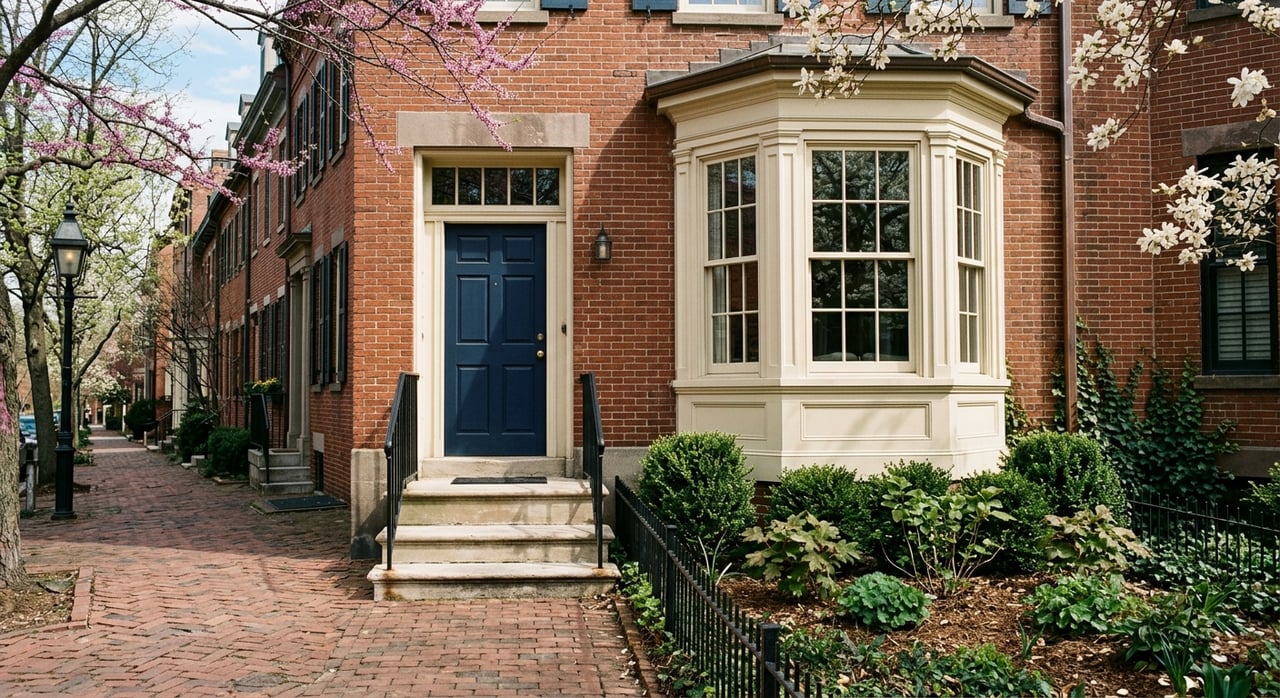
That structure gives Georgetown two distinct moods. The commercial core is lively and active, while the streets north of M Street tend to feel quieter, tree-lined, and more residential. Many of the homes in those blocks date back to the 18th century, which adds to the area’s historic character.
Walkability in Georgetown
Georgetown is genuinely walkable, especially for daily errands and leisure. The neighborhood’s business district is compact, and many of the places you may want to visit regularly are close together. The Georgetown BID reports that the area includes more than 470 businesses, more than 150 clothing and fashion stores, and more than 100 restaurants representing more than 50 ethnicities.
That means you can often handle coffee, lunch, shopping, and an evening out without needing to travel far. M Street and Wisconsin Avenue anchor much of that activity, while the waterfront and canal are just minutes away on foot. For many residents, that easy shift from errands to outdoor time is a big part of the appeal.
Can you live here without a car?
In many cases, yes. Georgetown does not have its own Metro station, but the Foggy Bottom-GWU station is about a 15-minute walk away, and Rosslyn is across Key Bridge. Multiple Metrobus routes also serve the neighborhood.
At the same time, Georgetown is not car-free. The BID notes that there are 20 parking lots and garages with more than 3,800 spaces, so driving remains part of the transportation mix. In practical terms, many residents can do a large share of day-to-day trips on foot, by bike, or by bus, while still having access to parking when needed.
Biking is part of daily life
If you like getting around by bike, Georgetown offers strong connections. The neighborhood has eight Capital Bikeshare stations, nearly 50 public bike racks, and a bike repair station near Georgetown Waterfront Park. It also connects to the C&O Canal Towpath, the Capital Crescent Trail, and the Rock Creek Park Trail.
Those connections matter because they make biking useful for more than recreation. You can use it for exercise, errands, or simply as an easy way to move between Georgetown and nearby parts of the city.
Outdoor life shapes the neighborhood
One of Georgetown’s biggest strengths is how quickly you can move from busy commercial blocks to open space. The neighborhood’s outdoor amenities are not tucked far away. They are woven right into daily life.
For many people, that changes the feel of the neighborhood. Instead of relying only on shops and restaurants for activity, Georgetown offers places where you can walk, sit, bike, or reset near the water and greenery.
Georgetown Waterfront Park
Georgetown Waterfront Park is one of the neighborhood’s defining amenities. The National Park Service says the 10-acre park runs along the Potomac from 31st Street to Key Bridge and includes accessible paths, benches, bike amenities, a fountain, a labyrinth, and rain gardens.
It is designed for strolling, sitting, running, cycling, and watching the river activity rather than organized sports. In everyday terms, that makes it a flexible space you can use for a morning walk, a weekend run, or a quiet break at the end of the day.
The C&O Canal Towpath
The canal adds another layer to everyday life in Georgetown. The C&O Canal’s mile 0 begins in Georgetown near 29th Street NW, south of M Street, and the towpath is part of a much longer park and trail corridor.
What stands out is how close this green corridor is to the commercial center. You can be on a retail block one minute and on a quieter path a few minutes later. That contrast helps explain why Georgetown can feel both active and calm depending on where you are and what time of day it is.
Smaller parks and recreation spots
Beyond the waterfront and canal, Georgetown also has smaller parks and recreation areas that support neighborhood life. Montrose Park includes a playground, and Rock Creek Park notes renovated tennis courts there. Rose Park Recreation Center offers tennis, basketball, a baseball diamond, playgrounds, benches, and a small weekly farmer’s market.
These spaces may be smaller, but they add convenience and variety. They also make it easier to fit outdoor time into a normal day without planning a major outing.
Shopping and dining in Georgetown
Georgetown’s retail scene is broad, which is one reason the neighborhood stays active throughout the day. Rather than revolving around one type of store or one destination block, it offers several distinct areas with different personalities.
That variety can make day-to-day life more convenient and more interesting. Whether you are browsing for home items, meeting a friend for coffee, or heading out for dinner, the neighborhood gives you options within a relatively compact footprint.
Book Hill, Cady’s Alley, and Wisconsin Avenue
The Georgetown BID neighborhood guide highlights Book Hill as a cluster of locally owned boutiques, galleries, cafés, and antique shops. Cady’s Alley anchors the Design District with more than 20 home furnishings showrooms, fashion boutiques, and specialty shops in historic industrial buildings. Wisconsin Avenue serves as a small-business heart of the neighborhood.
Together, these areas help Georgetown feel layered rather than repetitive. You can spend time in the busier commercial corridor, then shift to a quieter retail pocket with a different scale and pace.
A dining scene with real range
Dining is a major part of everyday life in Georgetown. The BID says the neighborhood has over 100 restaurants representing more than 50 ethnicities, and its 2024 retail review noted 15 new restaurant openings along with about 700 new outdoor dining seats added through streateries and sidewalk extensions.
That scale gives you real variety for casual meals, date nights, and group dinners. The waterfront dining cluster at Washington Harbour is especially well known, and in winter the plaza and fountain area becomes DC’s largest outdoor ice-skating rink, giving the area a different kind of energy during the colder months.
Culture is part of the routine
Georgetown is not just about retail and restaurants. It also offers a dense mix of historic sites, galleries, music, and public programming that can become part of your normal routine rather than something you only do on special occasions.
That matters if you are looking for a neighborhood with more to do than eat and shop. In Georgetown, culture is woven into the local landscape.
Historic sites and museums
Tudor Place sits on 5.5 acres in the heart of Georgetown and adds to the neighborhood’s historic depth. The Old Stone House is another notable landmark and is identified in the research as the oldest structure on its original foundation in Washington, DC.
These places help anchor Georgetown’s identity. They also create a setting where history is visible in everyday life, not separated from it.
Arts and live music
Georgetown University’s neighborhood-facing art galleries host exhibitions and public programs, and the university’s performing arts program offers music, theater, and dance throughout the year, including free Friday concerts. The BID also identifies Blues Alley as a landmark jazz venue that contributes to Georgetown’s after-dinner culture.
For residents, that means there are steady opportunities to add live music or arts programming into a weeknight or weekend without going far. It gives the neighborhood a sense of activity that goes beyond shopping hours.
What everyday life feels like
The best way to understand Georgetown may be to think about rhythm. This is a neighborhood built around short walks rather than long trips between activities. The retail core, trails, parks, and cultural spots sit close enough together that your day can shift naturally from one setting to another.
A typical routine might include a morning walk along the waterfront, errands or coffee around M Street or Wisconsin Avenue, time in a gallery or park later in the day, and dinner or live music in the evening. That pattern is supported by the neighborhood’s layout, its outdoor amenities, and its concentration of shops, restaurants, and cultural institutions.
Residential and lively at once
One of the most common questions about Georgetown is whether it feels residential or touristy. Based on the sources, the answer is both. The commercial corridor is active and often busy, while the blocks north of M Street are quieter, tree-lined, and historic.
For many buyers, that balance is part of the draw. You can enjoy access to one of DC’s most active neighborhood centers while still being close to calmer residential streets.
Georgetown through the seasons
Georgetown’s public spaces stay active all year, and that seasonal rhythm shapes daily life. The neighborhood’s 2026 event calendar includes the French Market, House Tour, Garden Tour, Bike to Work Day, Dancing on the Waterfront, World Music Day, Book Hill art walks, Fall Market, Washington Harbour’s movie series, holiday programming, and the winter ice rink.
That lineup suggests a neighborhood where the streets and public spaces are used consistently across the calendar. Instead of peaking in one season and fading in another, Georgetown offers reasons to be out and about throughout the year.
Is Georgetown a good fit for your lifestyle?
If you value walkability, access to outdoor space, local shopping, dining variety, and a strong sense of character, Georgetown offers a compelling mix. It is especially appealing if you want a neighborhood where daily life can happen close to home and where history, culture, and convenience are part of the same experience.
The right fit always comes down to your priorities, your pace, and the kind of home you want. If you are weighing Georgetown against other DC neighborhoods or looking for the right condo, townhouse, or single-family home here, working with a local advisor can help you understand the micro-differences that shape day-to-day living. If you are ready to explore Georgetown with a neighborhood-first strategy, connect with Hugh McDermott for tailored guidance.
FAQs
Is Georgetown walkable for everyday errands and dining?
- Yes. Georgetown’s shopping, dining, and service areas are clustered in a compact core around M Street, Wisconsin Avenue, and the waterfront, which makes many daily trips easy to do on foot.
Can you live in Georgetown without owning a car?
- Yes. Many day-to-day trips can be done by walking, biking, or using bus connections, although the neighborhood also has parking lots and garages and some residents still choose to drive.
Does Georgetown have outdoor space for daily use?
- Yes. Georgetown Waterfront Park, the C&O Canal Towpath, Montrose Park, and Rose Park Recreation Center give residents access to walking paths, seating areas, recreation amenities, and green space.
What is the culture scene like in Georgetown, DC?
- Georgetown offers a mix of historic sites, university arts programming, galleries, seasonal events, and live music venues such as Blues Alley.
Does Georgetown feel more residential or more commercial?
- It has both qualities. The commercial core is lively, while the blocks north of M Street are generally quieter, tree-lined, and more residential in feel.