Trying to choose between Georgetown and Bethesda can feel harder than it should. Both offer walkable commercial districts, strong dining scenes, and well-known addresses in the D.C. area, but they live very differently day to day. If you are weighing style, housing, transit, and long-term fit, this guide will help you compare the two with more clarity. Let’s dive in.
Georgetown vs. Bethesda at a Glance
At a high level, Georgetown offers a historic D.C. setting shaped by preserved architecture, waterfront access, and a distinctive street experience. The Georgetown BID describes it as D.C.’s oldest, yet most active, neighborhood, with more than 470 shops, restaurants, and institutions.
Bethesda offers a more transit-connected downtown environment in Montgomery County. Montgomery County describes it as a community with its own business center and a Metro station in the heart of downtown, and downtown Bethesda is known for its restaurants, retailers, theaters, and galleries.
If you are deciding between the two, the real question is often less about which one is “better” and more about which one fits how you want to live.
Neighborhood Feel and Identity
Georgetown offers historic character
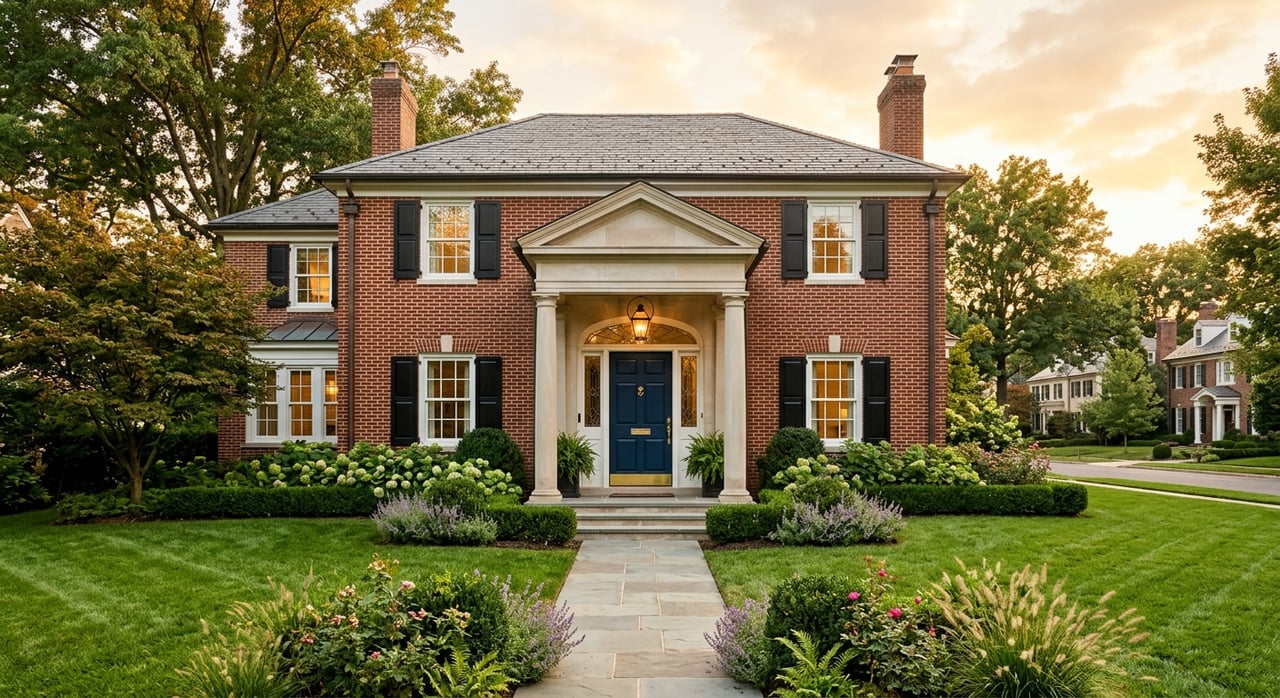
Georgetown has a strong sense of place that is hard to replicate. Its streetscape is defined by 18th- and 19th-century architecture, established residential streets, shopping corridors, and the waterfront.
That setting creates a neighborhood experience that feels layered and visually distinctive. If you want a home in a place where architecture and preservation shape daily life, Georgetown stands apart.
Bethesda offers an urban-suburban rhythm
Bethesda has an active downtown core, but the feel is different. It is a mixed-use Montgomery County community with a business center, direct Metro access, and a broader suburban context around downtown.
Downtown Bethesda is marketed as a lively urban community with nearly 200 restaurants, 75 home-fashion retailers, boutiques, three live theaters, and art galleries. If you want an urban feel with easier access to a wider suburban network, Bethesda may feel more practical.
Housing Style and Ownership Experience
Georgetown homes reflect age and preservation
Georgetown’s historic district includes many of the city’s oldest buildings and a mix of small residences, large estates, and commercial and institutional buildings. That means the housing stock is shaped more by age, scale, and preservation than by newer building convenience.
DC Planning notes that Georgetown is a National Historic Landmark, and most exterior construction is reviewed under the Old Georgetown Act. For you as a buyer or owner, that means the look and integrity of the neighborhood are protected, but exterior changes can involve additional review.
Bethesda leans condo and apartment downtown
Bethesda’s downtown inventory is more apartment- and condominium-oriented. The downtown core includes multiple apartment and condo buildings, which often appeals to buyers who want a building-based lifestyle.
That can mean a more straightforward fit if you prefer a lock-and-leave setup, a newer residential format, or a home that is integrated into a mixed-use downtown environment. In practical terms, Bethesda often feels more like a convenience-driven housing market, while Georgetown feels more like a legacy housing market.
Transit, Walkability, and Daily Mobility
Georgetown is walkable but not Metro-centered
Georgetown is highly walkable for shopping, dining, and waterfront access. The BID highlights its walkable scale, and the waterfront district is less than a five-minute walk south of M Street, with access to the C&O Canal, riverfront recreation, and paddling opportunities.
Still, Georgetown does not have its own Metro station. According to the Georgetown BID FAQ, Foggy Bottom-GWU is about a 15-minute walk away, Rosslyn is across Key Bridge, and the neighborhood has 20 parking lots and garages with more than 3,800 spaces.
For many buyers, that means Georgetown works well if you are comfortable with walking, buses, biking, rideshare, or driving. You can live without a car, but the experience is less rail-centered than in Bethesda.
Bethesda has the stronger rail connection
Bethesda has direct Red Line service, which is a major advantage if you want a Metro-based routine. WMATA also says it is building a new mezzanine connection between Bethesda station and the future Purple Line station, with that connection opening when Purple Line service begins in 2027.
Downtown Bethesda is set up for Metro, car, bus, and bicycle access. There is also a free Bethesda Circulator, which adds another layer of convenience for getting around downtown.
If your schedule depends on predictable rail access, Bethesda usually has the edge.
Lifestyle Differences That Matter
Georgetown centers on history and waterfront living
Georgetown’s identity is closely tied to boutique retail, historic streets, dining, and outdoor access near the water. The neighborhood has more than 150 clothing and fashion stores and more than 100 restaurants, according to the Georgetown BID FAQ.
You may be drawn to Georgetown if you want your surroundings to feel iconic, walkable, and visually rich. The appeal here is not just convenience. It is the combination of heritage, shopping, dining, and waterfront character.
Bethesda emphasizes convenience and variety
Bethesda also offers a strong restaurant and retail scene, but its lifestyle leans more toward mixed-use convenience. In the broader Bethesda-Chevy Chase area, Montgomery Planning points to parks and trails such as the Capital Crescent Trail and Rock Creek Hiker Biker Trail.
That can make Bethesda attractive if you want downtown energy paired with practical mobility and access to outdoor amenities in the wider area. The feel is active and polished, but typically less preservation-driven than Georgetown.
Which Buyers Often Prefer Georgetown?
Georgetown may be the better fit if you are looking for:
- A historic D.C. address with a distinctive identity
- Older housing stock with architectural character
- Waterfront access and stroll-friendly streets
- Boutique shopping and established dining corridors
- A home purchase where preservation rules are part of ownership
This option often appeals to buyers who value character, legacy, and a very specific sense of place.
Which Buyers Often Prefer Bethesda?
Bethesda may be the better fit if you are looking for:
- Direct Metro access in the neighborhood
- A downtown with more apartment and condo options
- Mixed-use convenience for everyday errands and commuting
- Easy access to trails, parks, and the broader Montgomery County setting
- A more building-oriented lifestyle in a dense suburban downtown
This option often appeals to buyers who want efficiency, transit access, and a more conventional downtown residential setup.
Questions to Ask Before You Decide
Before you choose Georgetown or Bethesda, it helps to narrow your priorities. Start with the daily habits that matter most to you.
Ask yourself:
- Do you want a historic home experience or a building-based downtown experience?
- How important is direct Metro access?
- Are you comfortable with preservation review if you own in a historic district?
- Do you picture yourself near the waterfront and historic streets, or in a more transit-centered downtown?
- Is your priority architectural character, or everyday convenience?
These questions can bring the decision into focus quickly.
Why the Right Choice Is Personal
There is no universal winner in a Georgetown versus Bethesda comparison. Georgetown offers one of the most distinctive historic environments in the region, while Bethesda offers stronger rail access and a more convenience-oriented downtown setup.
For some buyers, Georgetown’s architecture, waterfront, and legacy feel will be worth every tradeoff. For others, Bethesda’s Red Line access, downtown housing mix, and day-to-day ease will make more sense.
The best move is the one that matches your routine, your housing preferences, and the kind of neighborhood experience you want over time.
If you are weighing Georgetown against Bethesda and want thoughtful guidance tailored to your goals, Hugh McDermott offers calm, hands-on buyer and seller representation across D.C. and nearby Maryland micro-markets.
FAQs
Is Georgetown or Bethesda better for commuting in the D.C. area?
- Bethesda is generally more transit-friendly because it has direct Red Line service and a future Purple Line connection, while Georgetown does not have its own Metro station.
Is Georgetown more historic than Bethesda?
- Yes. Georgetown is a National Historic Landmark, and much of the neighborhood is shaped by preservation review under the Old Georgetown Act.
Is downtown Bethesda more condo-oriented than Georgetown?
- Yes. The research indicates that downtown Bethesda has a more apartment- and condominium-oriented residential inventory in its core.
Can you live in Georgetown without a car?
- Yes. Georgetown supports walking, buses, biking, nearby Metro access, and parking options, but it is less rail-centered than Bethesda.
Does Georgetown or Bethesda have more shopping and dining?
- Both have strong retail and restaurant offerings, but Georgetown is closely identified with its historic shopping district, while downtown Bethesda is framed as a mixed-use urban community with dining, retail, and arts venues.