Curious why Georgetown can feel like several neighborhoods folded into one? That’s because your daily life here can change a lot from one cluster of blocks to the next. If you’re thinking about buying, selling, or simply narrowing down where you fit best, understanding Georgetown at the micro-neighborhood level can make your decision much clearer. Let’s dive in.
Georgetown Works in Layers
Georgetown is not one uniform place. The neighborhood’s historic district was created in 1950 and was the first historic district in Washington, with review under the Old Georgetown Act through the Old Georgetown Board. That history still shapes how the area looks and feels today.
The commercial district spans about 35 blocks and includes all commercial properties on M Street between Canal Road and Rock Creek Parkway, then extends south of M Street to the Potomac River. The Georgetown BID also notes that Georgetown is home to more than 470 shops, restaurants, and institutions. In practice, that creates several distinct pockets of daily life within one well-known DC neighborhood.
Waterfront Life in Georgetown
If you want Georgetown at its most open and active, the waterfront stands out. Georgetown Waterfront Park runs along the Potomac from 31st Street NW to Key Bridge and was completed in 2011. It offers a car-free, accessible pathway system with benches, a fountain, river steps, a boat ramp, canoe and kayak launch access, bike racks, bike rental and repair, and public transit access.
This part of Georgetown tends to support the strongest recreation-focused routine. The National Park Service says people use the park for quiet contemplation, exercise, and recreation, and the BID places the waterfront less than a five-minute walk south of M Street. That combination helps explain why the area often feels lively in the mornings, after work, and on weekends.
What your routine may look like
You may find this area fits best if you like building outdoor activity into your day. The park connects to 225 miles of parkland along the Potomac, which adds to the sense of space that can feel very different from the tighter street grid farther inland.
Daily life here often centers on movement and public space, such as:
- Morning walks or jogs along the river
- Bike rides with quick access to nearby trails
- Paddling or spending time near the water
- Evening outings near waterfront dining and Washington Harbour
The BID also associates Washington Harbour with river cruises, water taxis, and a winter ice rink. If you enjoy a neighborhood with visible activity and strong outdoor energy, the waterfront is usually the clearest match.
Canal Blocks Offer a Calmer Rhythm
The canal-adjacent area gives you a different version of Georgetown. The C&O Canal begins in Georgetown, and Mile 0 is here, with the towpath continuing 184.5 miles to Cumberland, Maryland. Even though it sits close to the commercial core, this area often feels more shaded and relaxed.
The Georgetown BID describes the canal area as a serene urban oasis south of M Street. It also notes that the first mile of the towpath is popular with runners, cyclists, picnickers, residents, office workers, and weekend visitors. That mix creates a steady, low-key pulse rather than the more public-facing energy of the waterfront.
Why the canal area feels different
This part of Georgetown tends to appeal to people who want calm without feeling disconnected. You are still near restaurants, shops, and everyday conveniences, but the canal corridor softens the pace.
Side streets like Grace Street and Thomas Jefferson Street add to that character. The BID points to bakeries, coffee spots, tacos, architectural details, and signs of the neighborhood’s industrial past, which gives these blocks a layered and walkable feel.
Best fit for trail access
If trail access matters to you, the canal area deserves close attention. The towpath can support lunch walks during the workday, after-work exercise, and easy weekend routines. Georgetown Heritage also says a canal boat program launched in 2022, continued in 2023, and is planned to relaunch in Spring 2027 after repairs, reinforcing the canal’s role as both a historic feature and an active public-space project.
Village Streets Feel More Residential
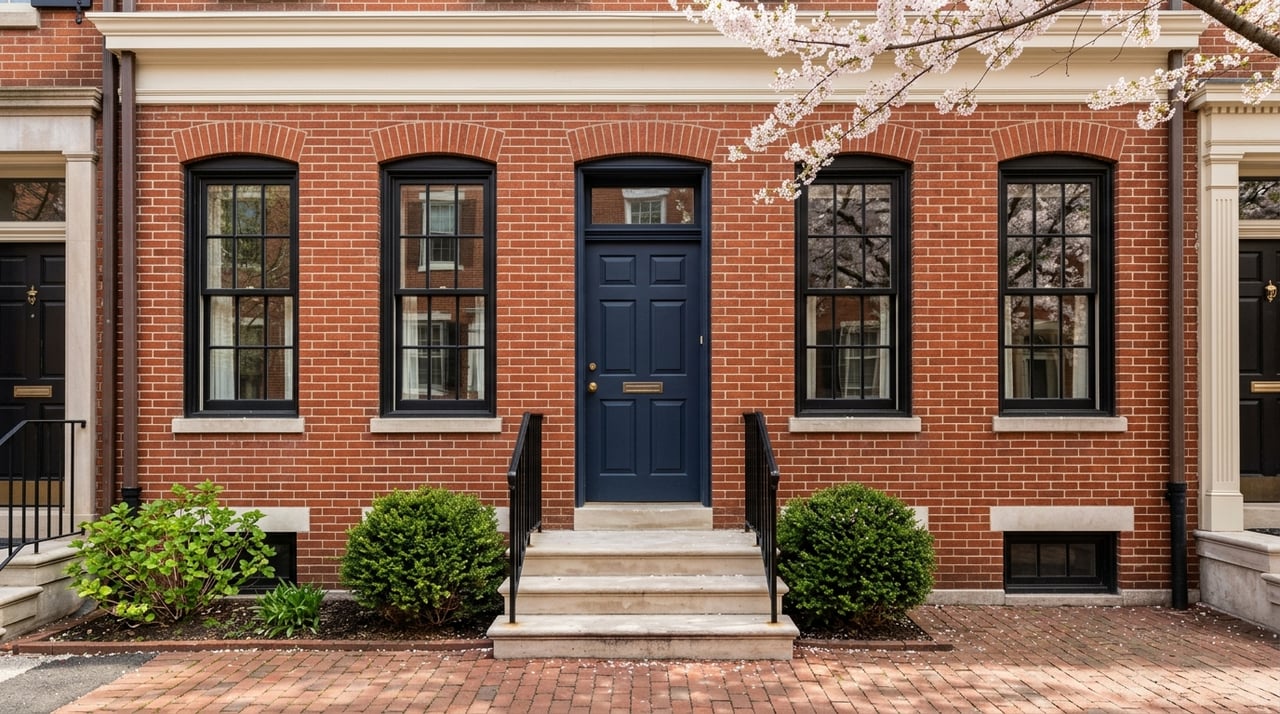
North of M Street, Georgetown shifts again. The BID describes quiet, tree-lined residential streets on either side of Wisconsin Avenue, with homes dating back to the 18th century and ranging from modest row houses to large estates. This is often the part of Georgetown people picture when they think of historic homes, leafy blocks, and a slower daily pace.
This area also includes small parks and historic houses and museums such as Tudor Place, Dumbarton House, and Dumbarton Oaks. Those landmarks help shape the atmosphere, but the main lifestyle story is that the neighborhood feels more residential and locally paced than the busier commercial streets below.
What daily life can feel like here
The village streets often suit buyers who want a quieter home base. Compared with M Street or the waterfront, mornings may feel calmer, and the street activity often leans more toward routines like walking the dog, running errands, or heading to a nearby park.
That does not mean the area feels isolated. It means the balance shifts more toward residential texture and away from destination traffic.
Book Hill Adds a Village Edge
Upper Wisconsin brings in another layer through Book Hill. The BID describes Book Hill, centered on Wisconsin Avenue from O Street to Reservoir Road, as a historic neighborhood known for antique stores, art galleries, independent boutiques, cafes, and a European feel.
For many buyers, this area offers a useful middle ground. You get some commercial convenience and charm, but the pace tends to feel smaller-scale than the main shopping corridors. If you like the idea of being able to walk to a cafe or boutique without being in the thick of the busiest blocks, Book Hill may be worth a closer look.
M Street and Wisconsin Set the Pace
M Street and Wisconsin Avenue are important because they influence how Georgetown functions day to day. The commercial district includes a large share of the neighborhood’s shopping, dining, and visitor activity, which can be a major benefit if you want energy and convenience close at hand.
At the same time, these corridors shape noise, traffic, and foot traffic patterns nearby. Living a block or two away can feel very different from living directly on a main corridor. That is one reason micro-neighborhood knowledge matters so much in Georgetown.
Getting Around Georgetown Daily
Georgetown’s mobility pattern is mixed rather than subway-centered. The BID lists bus service, rideshare, nearby Metro stations at Foggy Bottom-GWU and Rosslyn, water taxi access at Washington Harbour, and 12 Capital Bikeshare stations in the commercial district and surrounding residential streets.
The neighborhood also connects well for cyclists. According to the BID, Georgetown’s cyclist-friendly network ties into the C&O Canal Towpath, Capital Crescent Trail, and Rock Creek Park Trail. If you are comfortable walking, biking, or mixing transportation modes, Georgetown can feel especially convenient.
Parking matters more than some buyers expect
Parking and curb rules can shape your experience here. The BID says residential street parking is limited to two hours for vehicles without a Zone 2 permit. It also notes that parking restrictions apply on M Street and the 1100 to 1600 blocks of Wisconsin Avenue during weekday rush hours.
That means Georgetown can feel highly walkable, but your lifestyle fit may depend on how you prefer to get around. If you rely heavily on a car, the details of parking, permits, and curb restrictions deserve extra attention when comparing blocks.
How to Choose the Right Georgetown Pocket
The simplest way to think about Georgetown is by matching the area to your routine. Each pocket offers a different balance of energy, access, and pace.
Here is a practical breakdown:
| Georgetown area | Daily-life feel | Best match for |
|---|---|---|
| Waterfront | Open, active, recreation-focused | Buyers who want river access, outdoor activity, and lively surroundings |
| Canal-adjacent blocks | Calm, shaded, trail-centered | Buyers who want a quieter feel with quick access to walking and biking paths |
| Village streets north of M | Residential, tree-lined, slower-paced | Buyers who want historic homes, quieter blocks, and neighborhood texture |
| Book Hill | Boutique, village-like, convenient | Buyers who want charm and small-scale shops near home |
Georgetown University’s Hilltop Campus at 37th and O Streets adds another layer near the edge of the neighborhood as well. Depending on where you focus your search, that nearby institutional presence may be part of the day-to-day environment.
Why Micro-Neighborhood Knowledge Matters
In a neighborhood as established as Georgetown, broad descriptions only get you so far. Two homes may share the same zip code and still offer very different experiences based on proximity to the waterfront, canal, commercial corridors, or quieter residential blocks.
That is why a block-by-block view matters when you are buying or selling here. The right match is usually less about the Georgetown name alone and more about how your home base supports the life you want to live every day.
If you are weighing where to focus in Georgetown, or preparing to position a home for sale, working with someone who understands these micro-patterns can help you make sharper decisions with more confidence. To talk through Georgetown block by block, connect with Hugh McDermott.
FAQs
What are the main micro-neighborhoods in Georgetown?
- Georgetown is often understood through the waterfront, canal-adjacent blocks, M Street and Wisconsin Avenue commercial corridors, village-style residential streets north of M Street, and Book Hill along upper Wisconsin.
What is daily life like near Georgetown Waterfront Park?
- Daily life near Georgetown Waterfront Park often feels more active and outdoors-focused, with access to river paths, benches, a fountain, boating access, bike amenities, and nearby waterfront dining.
What is the C&O Canal area like in Georgetown?
- The C&O Canal area in Georgetown tends to feel calmer and more shaded, with a trail-centered routine shaped by walkers, runners, cyclists, and nearby side streets with cafes and small businesses.
What are the residential streets north of M Street like in Georgetown?
- The residential streets north of M Street in Georgetown are generally quieter and tree-lined, with historic homes, small parks, and a slower pace than the busier commercial and waterfront areas.
Is Georgetown easy to get around without a car?
- Georgetown offers bus service, rideshare access, nearby Metro stations in Foggy Bottom-GWU and Rosslyn, water taxi service at Washington Harbour, and multiple Capital Bikeshare stations, so many residents use a mix of transportation options.
What should buyers know about parking in Georgetown?
- Buyers should know that residential street parking is limited to two hours for vehicles without a Zone 2 permit, and weekday rush-hour parking restrictions apply on M Street and parts of Wisconsin Avenue.