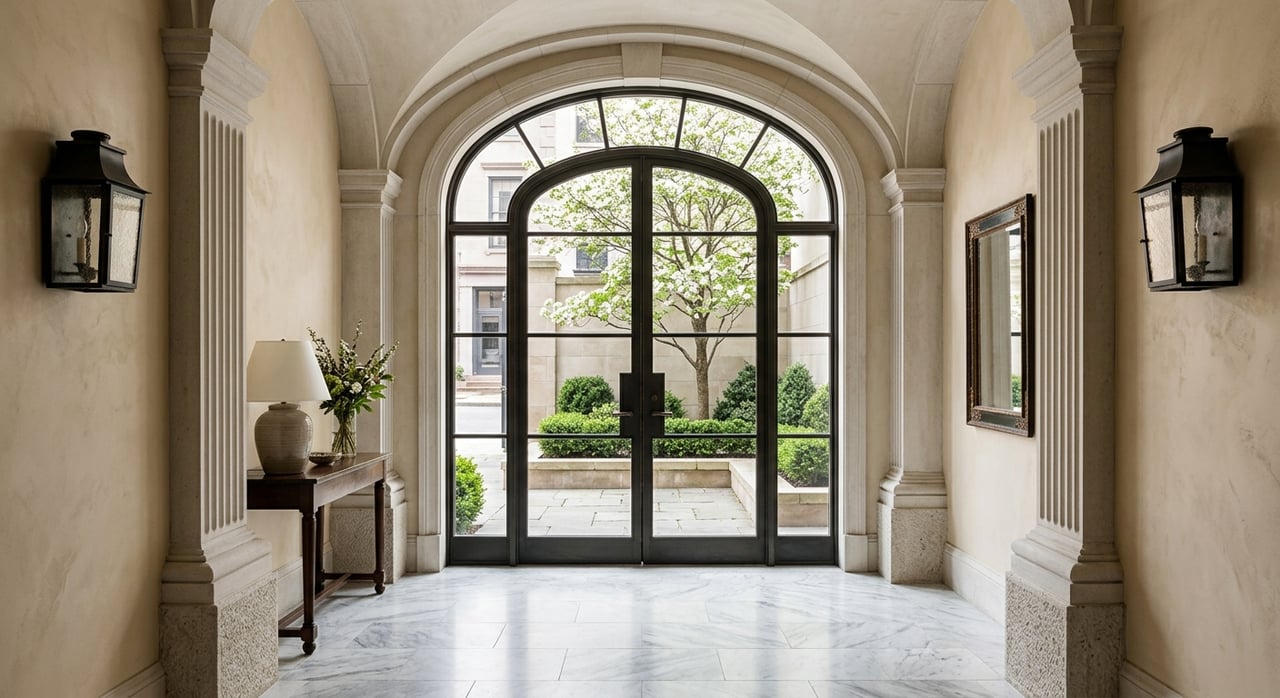
Choosing between Georgetown, Dupont Circle, and Logan Circle is not just about finding a condo. It is about deciding how you want your day-to-day life to feel. If you are weighing these three classic D.C. neighborhoods, you are likely looking for the right mix of historic character, walkability, and building style. This guide will help you compare how Georgetown condos stack up against Dupont and Logan Circle so you can narrow your search with more confidence. Let’s dive in.
Georgetown condos at a glance
Georgetown tends to offer a more boutique condo experience than the other two neighborhoods. Its housing stock often includes smaller-scale apartment buildings, flats, and rowhouse-style conversions that were designed to fit the historic streetscape rather than stand apart from it.
That gives many Georgetown condos a lower-rise, more curated feel. If you picture charming facades, historic blocks, and buildings that blend into the neighborhood fabric, Georgetown often delivers that experience better than Dupont or Logan Circle.
How Georgetown feels different
Georgetown’s identity is shaped by both its age and its preservation structure. The historic district was created in 1950, and most visible exterior work follows review by the Old Georgetown Board and the Commission of Fine Arts.
For you as a buyer, that often means the public-facing character stays remarkably consistent over time. Facades tend to remain intact, exterior changes are more controlled, and the neighborhood keeps a polished, highly preserved look that can feel distinct even within D.C.’s many historic areas.
Georgetown streets and daily rhythm
Georgetown reads more like a destination district than a simple pass-through neighborhood. M Street and Wisconsin Avenue form the commercial heart, with the intersection of M and Wisconsin often recognized as the core of neighborhood activity.
That creates a specific kind of condo lifestyle. You may have quick access to shops, restaurants, and services, but the neighborhood still feels shaped by its own historic street pattern and long-established identity rather than by a broad downtown grid.
Dupont Circle offers more variety
If Georgetown is the boutique option, Dupont Circle is usually the most varied. Its historic district includes mansions, rowhouses, neighborhood commercial structures, and five- and six-story apartment buildings.
For condo buyers, that broader range can translate into more choices in building scale and layout. You may find rowhouse conversions, homes in mansion-scale buildings, or units in larger apartment houses, all within the same general area.
Dupont’s street pattern matters
Dupont Circle feels different because of its street geometry. Broad diagonal avenues intersect the traditional grid, creating triangular lots and a more open, formal streetscape than you typically get in Georgetown.
That avenue-based layout gives Dupont a distinct urban feel. It can feel grander and more boulevard-oriented, especially around the circle and the major commercial blocks near Connecticut Avenue, Massachusetts Avenue, and P Street.
What condo living feels like in Dupont
Compared with Georgetown, Dupont often feels less tightly curated and more mixed in form. You may see a greater jump from one block to the next in building type, scale, and streetscape.
That is not a drawback. For many buyers, it is the appeal. If you want options and enjoy a neighborhood where apartment buildings, rowhouse conversions, and larger historic structures all play a role, Dupont is often the most flexible fit of the three.
Logan Circle is the most rowhouse-centered
Logan Circle has a different condo identity from both Georgetown and Dupont. Its historic district is strongly defined by closely grouped three- and four-story brick and stone rowhouses, with much of the district built between 1874 and 1887.
For you, that often means a condo market with a strong supply of rowhouse conversions and smaller-scale buildings. You are less likely to get Georgetown’s detached-house context or Dupont’s broad mix of mansion and apartment formats.
Logan feels denser and more compact
The circle-and-radial street pattern in Logan creates irregular lots and frontages, and the streetscape tends to feel more enclosed than Dupont’s broad diagonals. The result is a neighborhood that can feel especially compact on foot.
Logan is also described as predominantly residential, with primary retail corridors on 14th Street, U Street, and 9th Street. That corridor structure often gives condo living there a live-near-the-action feel, with retail energy concentrated along key streets.
What buyers often like about Logan
If you want a neighborhood where the rowhouse fabric is front and center, Logan often stands out. It can feel more immediately residential on interior blocks while still keeping daily needs and neighborhood activity close by on the main corridors.
Compared with Georgetown, Logan usually feels more mixed-use and corridor-driven. Compared with Dupont, it often feels more compact and more consistently rowhouse-based.
Georgetown vs Dupont vs Logan
Here is the simplest way to think about the difference.
| Neighborhood | Condo feel | Building mix | Streetscape feel | Best fit for |
|---|---|---|---|---|
| Georgetown | Boutique and curated | Lower-rise buildings, conversions, flats | Historic, preserved, destination-oriented | Buyers who want low-rise character and a highly preserved setting |
| Dupont Circle | Varied and flexible | Mansions, rowhouses, apartment buildings, commercial structures | Open, formal, boulevard-oriented | Buyers who want more property-type variety |
| Logan Circle | Compact and rowhouse-centered | Smaller-scale buildings and rowhouse conversions | Dense, enclosed, corridor-driven | Buyers who want a strong rowhouse feel and close retail corridors |
Which neighborhood fits your priorities?
The right choice depends on what matters most to you in everyday living, not just on square footage or finishes. These neighborhoods can all be appealing, but they serve different priorities.
Choose Georgetown if you want preserved character
Georgetown is often the best fit if you value a low-rise environment, historic facades, and a neighborhood that feels carefully protected. The preservation overlay is stronger here, and that tends to shape the ownership experience as well as the public realm.
If you are drawn to boutique buildings, conversion-style condos, and a setting that feels timeless and intentionally maintained, Georgetown may be the strongest match.
Choose Dupont if you want flexibility
Dupont Circle can make sense if you want more range in both architecture and condo style. Because the building stock is more varied, your search may include everything from a unit in a historic conversion to a condo in a larger apartment building.
That variety can be especially useful if you are balancing style, layout, and location and do not want your search constrained to one dominant building type.
Choose Logan if you want a compact urban feel
Logan Circle is often a smart fit if you like the rhythm of rowhouse blocks and want daily walkability tied closely to neighborhood retail corridors. The built form feels denser, and the overall experience can feel especially efficient on foot.
If your ideal condo setting is intimate, historic, and closely connected to corridor retail activity, Logan deserves a close look.
What this means for your condo search
In practice, these differences affect more than aesthetics. They shape how a building sits on the block, how much variety you see from one street to the next, and how your walk to coffee, dinner, or errands feels on a typical day.
That is why condo buyers in D.C. often benefit from looking beyond finishes and list photos. In these three neighborhoods especially, the block, building type, and street pattern can matter just as much as the unit itself.
If you are comparing Georgetown condos to Dupont and Logan Circle, it helps to tour with a clear framework. Ask yourself whether you prefer boutique versus varied, preserved versus flexible, and destination-oriented versus corridor-driven.
Those distinctions can quickly point you toward the neighborhood that feels right. And when you are searching in competitive micro-markets, that clarity can save time and help you act decisively.
If you want help comparing condo options in Georgetown and nearby D.C. neighborhoods, Hugh McDermott offers hands-on buyer guidance grounded in local market knowledge and a calm, strategic approach.
FAQs
How do Georgetown condos differ from Dupont Circle condos?
- Georgetown condos often feel more boutique and lower-rise, while Dupont Circle usually offers a wider mix of rowhouse conversions, mansion-scale buildings, and larger apartment houses.
What makes Logan Circle condos different from Georgetown condos?
- Logan Circle condos are typically more rowhouse-centered and compact in feel, while Georgetown condos often sit within a more curated, highly preserved historic setting.
Which neighborhood has the most varied condo inventory: Georgetown, Dupont, or Logan Circle?
- Dupont Circle generally has the most varied building mix because its historic district includes mansions, rowhouses, commercial structures, and mid-rise apartment buildings.
Is Georgetown more preserved than Dupont Circle and Logan Circle?
- Yes. Georgetown has a distinct preservation review structure, and most visible exterior work follows review by the Old Georgetown Board and the Commission of Fine Arts.
Which neighborhood is best if you want a boutique condo feel in D.C.?
- Georgetown is often the strongest fit if you want a boutique, lower-rise condo experience in a highly preserved historic environment.