Curious why some Chevy Chase, DC homes feel instantly “right” while others miss the mark? When you know the local styles and which features buyers prioritize, you can shop and renovate with confidence. In this guide, you’ll learn how to spot the main home styles, which elements add value, and what to consider before you update. Let’s dive in.
Chevy Chase context and history
Chevy Chase grew as a classic streetcar suburb from the 1890s through the 1940s. That era shaped the neighborhood’s look: front yards, mature street trees, and homes that favor porches, balanced rooflines, and traditional materials. Lots are urban in size, so smart use of space matters for additions and outdoor living.
Buyers here often want historic character paired with modern function. That usually means updated systems and kitchens inside, with an exterior that still fits the streetscape. Understanding the style you’re buying or selling helps you plan upgrades that feel natural and protect value.
Main home styles
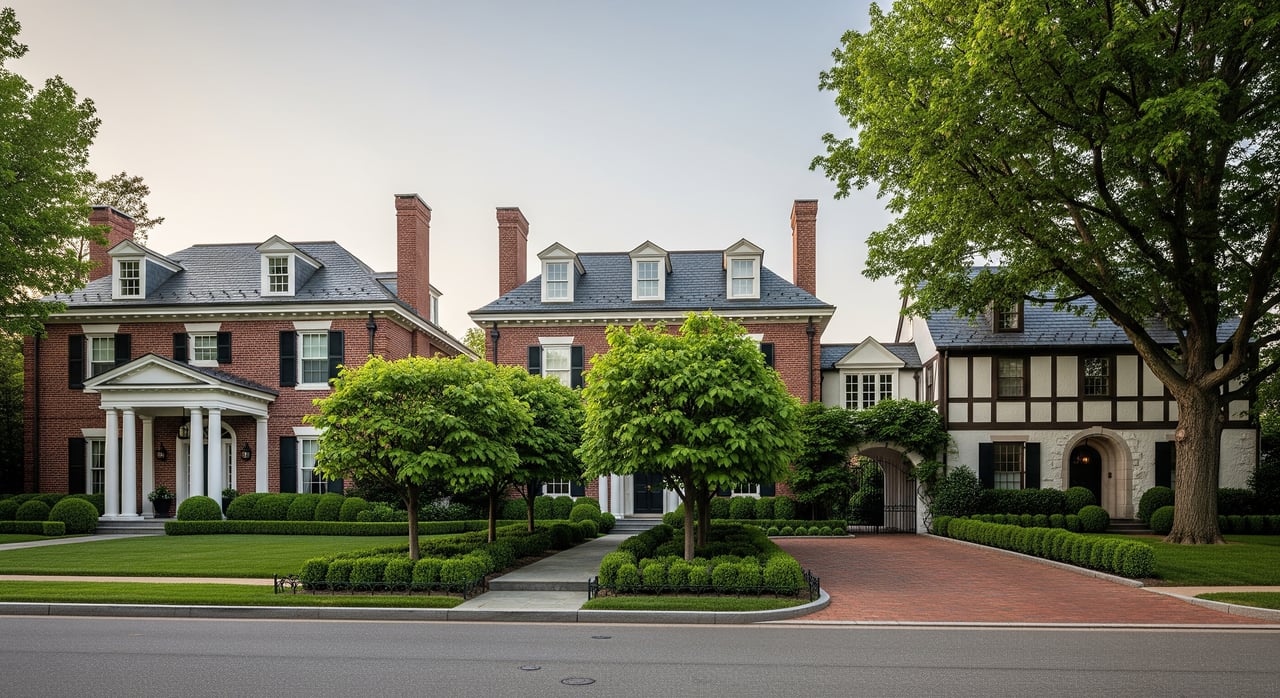
Colonial Revival
- Era: 1890s to 1940s, with peaks in the early 20th century.
- Exterior cues: balanced façades, centered front doors, multi-pane windows, brick or wood siding, and gabled roofs. Dutch Colonial variants have a gambrel roof, and dormers are common.
- Interiors: formal living and dining rooms with a defined kitchen and 2 to 4 bedrooms upstairs.
What to watch: Closed first-floor plans and older kitchens are typical. Sensitive rear kitchen expansions and well-proportioned dormers can add useful space. Preserving original brickwork, wood trim, and porch proportions tends to support resale because buyers value the timeless look.
Tudor Revival
- Era: 1910s to 1930s.
- Exterior cues: steep cross-gables, decorative half-timbering, tall narrow windows, arched entries, prominent chimneys, and brick or stone.
- Interiors: cozy rooms, angled stairs, and irregular attic spaces.
What to watch: Kitchens and baths can be small, and complex rooflines require careful maintenance. Buyers pay attention to intact Tudor details like leaded glass and timbering. Rear additions or discreet dormers that keep the storybook façade intact are the safest path to more space.
Craftsman and Bungalow
- Era: 1905 to 1930s.
- Exterior cues: low-pitched gables, wide eaves with exposed rafter tails, tapered porch columns, and grouped windows.
- Interiors: efficient plans, often one or one-and-a-half stories, with built-ins and woodwork.
What to watch: Many bungalows have modest footprints and compact kitchens. Keeping original built-ins and trim while adding a rear kitchen-family room addition usually offers the best of both worlds. Buyers who want craftsmanship and easier living on fewer levels are drawn to these homes.
American Foursquare
- Era: late 1890s to 1930s.
- Exterior cues: boxy two or two-and-a-half story forms, low-hipped roofs with a central dormer, and a large front porch.
- Interiors: four-room-per-floor layouts with spacious rooms and good flow for modern updates.
What to watch: Opening the first floor and enlarging the rear kitchen are common. Attic conversions and dormer enlargements can create extra bedrooms and baths without changing the recognizable form. Buyers appreciate the generous square footage and porch living.
Other variations
You’ll also spot English Cottage and Colonial Eclectic homes, plus occasional blends. Materials across styles often include brick, wood clapboard or shingles, and slate or composition roofs. The best updates respect these original materials and proportions.
Features that drive value
Porches
Front porches are a hallmark of Chevy Chase curb appeal. Original or well-proportioned porches reinforce the walkable, neighborly feel many buyers want. Enclosing a historic front porch can hurt the home’s look from the street unless done with care.
Seller tip: Repair railings and flooring, repaint as needed, and address rot before listing. If you want more outdoor living, a rear porch or covered deck is usually the better move.
Dormers and attic conversions
Dormers bring light and headroom to upper floors and often turn an attic into a bedroom or bath. In a neighborhood with modest lot sizes, this can be one of the most effective ways to add usable square footage.
Design tip: Match roof pitch, window proportions, and materials so the dormer looks like it belongs. Proper structure, insulation, and egress are critical for permits and comfort.
Additions
Rear additions that expand the kitchen and create family-room flow are popular and tend to return value. Side or second-story additions that change the front façade can feel out of place and may reduce appeal.
Design tip: Keep new volumes set back and clearly secondary to the original house. Align window rhythms and eave heights, and match materials. Inside, kitchen upgrades and a true primary suite are reliable value drivers.
Garages and driveways
Off-street parking is valuable in D.C., and many blocks include historic alley-accessed garages. A discreet, well-sited garage can add utility without harming the streetscape.
Design tip: Minimize front-yard curb cuts that interrupt sidewalks and tree lawns. Preserve mature street trees where possible.
Original details
Buyers notice authentic character. Wood trim, built-ins, mantels, and period windows can set a home apart. The right balance pairs preserved details with energy and system upgrades.
Planning tip: If window replacement is necessary, choose products that match original proportions. In some cases, restoring originals and adding storms can boost efficiency while retaining character.
Systems and layout
Updated HVAC, electrical, plumbing, and a modern kitchen are high on buyer checklists. Opening a closed first floor or improving circulation between kitchen, dining, and family areas often has an outsized impact on livability and price perception.
Rules and permits to know
Before you renovate, confirm whether your property is within a local historic district or is a contributing resource. If so, the D.C. Historic Preservation Office reviews work visible from the street, including façades, porches, and some roof changes. Learn how reviews work on the D.C. Historic Preservation Office site.
Most structural changes, dormers, porch alterations, and additions require permits. Start with the D.C. Department of Buildings permit guidance to understand applications, inspections, and code requirements. Zoning rules control lot coverage, setbacks, and garage placement. You can explore zoning maps and relief processes through the D.C. Office of Zoning and broader planning resources from the D.C. Office of Planning.
A simple workflow: early conversation with HPO or a preservation-minded architect, preliminary design that matches materials and scale, zoning checks for coverage and setbacks, then permit submission with structural and energy details. Teams familiar with historic neighborhoods tend to navigate this process more efficiently.
Buyer checklist for older homes
- Identify the style and note condition of key exterior elements, especially roof, porches, and masonry.
- Look for headroom and layout potential in attics for a future dormer or suite.
- Review age and condition of HVAC, electrical, plumbing, and roof.
- Check window condition and ask about restoration or storm options.
- Ask your agent about possible historic review and permits for planned updates.
Seller checklist to boost appeal
- Refresh the front porch: repair, repaint, and stage with scaled furniture.
- Prioritize kitchen function and lighting over cosmetic-only upgrades.
- Showcase original trim and built-ins with a clean, neutral palette.
- Address deferred maintenance: roof, gutters, masonry repointing, and exterior paint.
- Provide a simple upgrade summary and permit history for buyers.
Style research resources
If you want to dig deeper into cues and best practices, the National Park Service style guides explain architectural features in plain language. For preservation tips and benefits, see the National Trust for Historic Preservation. To understand current buyer preferences, review summaries from the National Association of Realtors.
Putting it all together
In Chevy Chase, the homes that sell best usually marry historic character with thoughtful function. When you align updates with the style, respect the streetscape, and plan permits early, you protect value and make daily life easier. If you are weighing a purchase or planning improvements, you do not have to navigate it alone.
For calm, concierge guidance from search to staging to negotiation, connect with Hugh McDermott. Let’s map your goals to the right home style and the right plan.
FAQs
What home styles are most common in Chevy Chase, DC?
- You’ll most often see Colonial Revival (including Dutch Colonial), Tudor Revival, Craftsman or Bungalow, and American Foursquare, reflecting the area’s 1890s to 1940s development.
How do porches and dormers affect value in Chevy Chase, DC?
- Well-proportioned front porches boost curb appeal, and properly designed dormers add usable space and light, both of which can improve marketability when executed sensitively.
Do I need a permit for a rear addition in Chevy Chase, DC?
- Most additions and structural changes require permits, and projects visible from the street may need historic review; start with the D.C. Department of Buildings and confirm with the D.C. Historic Preservation Office.
How can I modernize a historic Chevy Chase home without losing character?
- Keep exterior changes secondary and compatible, preserve original trim and materials where feasible, and focus on discrete interior updates like kitchen flow and a primary suite.
Are detached garages common in Chevy Chase, DC, and do they add value?
- Alley-accessed detached garages do appear on some blocks and can add utility and value when sited discreetly; avoid front-yard curb cuts that disrupt the sidewalk and streetscape.