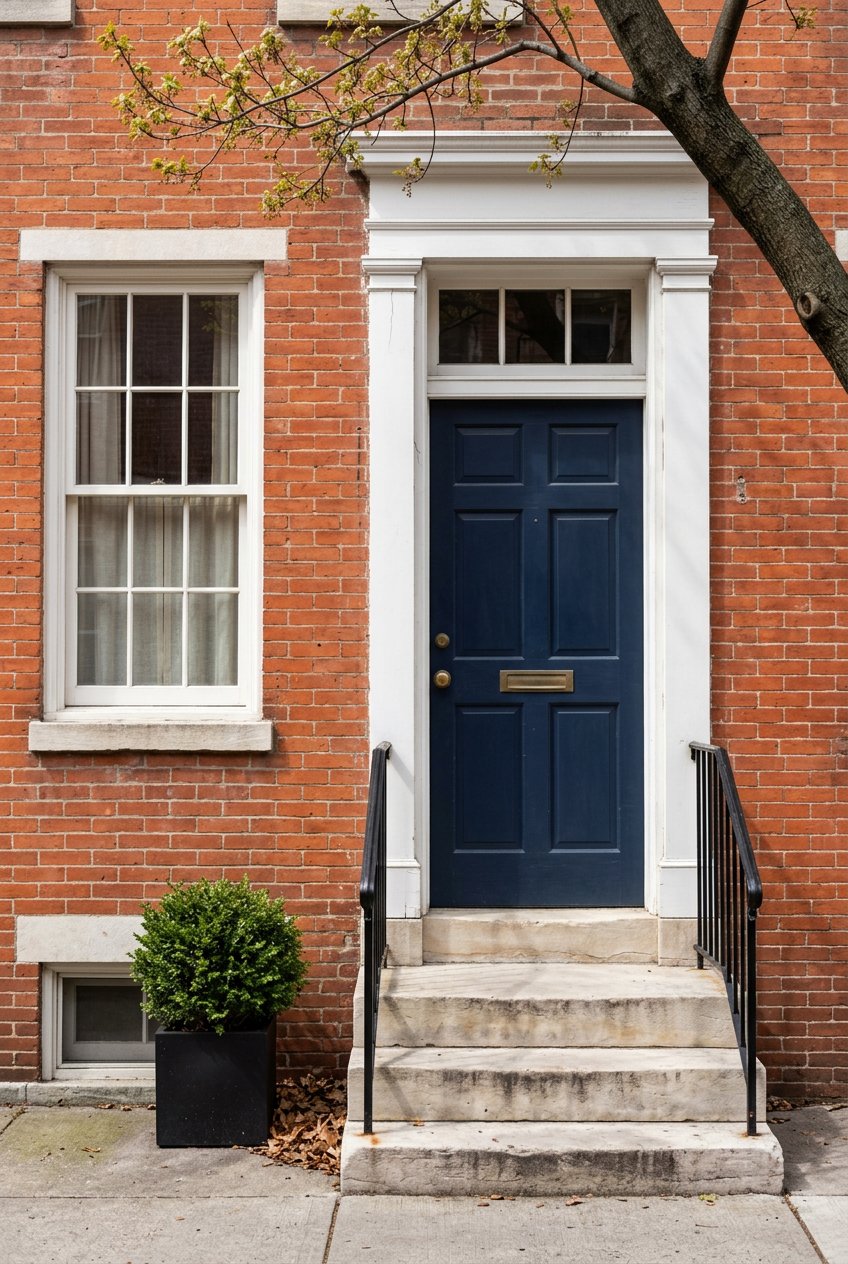
Love the idea of owning a piece of Georgetown history but not sure what it takes to buy and care for one? You are not alone. Historic rowhouses and classic condos here carry a special charm and a few extra rules. In this guide, you will learn how Georgetown’s review process works, what to inspect, and which documents to request so you can buy with confidence. Let’s dive in.
Why Georgetown buying is different
Georgetown is one of the most protected historic districts in the country. The neighborhood is a National Historic Landmark, and exterior changes are reviewed under a distinct federal process. Start with the city’s overview of the Georgetown Historic District to see why this matters for your plans.
Most exterior work visible from public space is reviewed by the Old Georgetown Board, which advises the Commission of Fine Arts. Their recommendations flow into the District’s permit process. You can learn how that public-facing review works in the Old Georgetown FAQs from the Commission of Fine Arts.
Behind the scenes, the DC Historic Preservation Office handles many applications, and most permits are expedited when work is minor or not visible from the street or alley. A simple rule helps: if someone can see the change from the sidewalk or alley, plan on Old Georgetown review.
Permits and timing to expect
The Old Georgetown Board meets monthly, usually on the first Thursday except August. The Commission of Fine Arts often takes final action about two weeks later. You can submit a concept and then a permit application. A concept approval does not replace the permit review.
If you hope to alter a front elevation, plan extra lead time for drawings, submittals, and possible revisions. For submission steps and expectations, review the CFA’s how to submit in Old Georgetown page.
Windows, doors, and street presence
In Georgetown, windows and doors are highly character-defining. The Old Georgetown Board’s Window Policy favors repair first for pre-1950 wood windows on front elevations. When replacement is necessary, profiles that match historic appearance are expected on street-facing sides.
If energy performance is your goal, interior storm windows and careful retrofits often earn approval while preserving the look. Plan on a professional who can document existing conditions and propose details that meet policy.
Masonry, chimneys, and roofs
Many homes here are brick with stone or cast-iron details. Mortar strength, color, and joint profile matter. Abrasive cleaning and improper repointing can damage historic masonry. For technical best practices, refer to the National Park Service’s widely used Preservation Briefs.
Expect periodic repointing, flashing work, roof covering replacement, and chimney repairs over time. These are normal cycles for older buildings. Skilled trades familiar with historic detailing will help maintain both performance and appearance.
Basements, areaways, and vaults
Many rowhouses have basements, areaways, and sometimes sidewalk vaults that extend under public space. Vaults are regulated and may require recorded agreements, permits, and rental fees. Rules for vaults and public space use are set in the D.C. Municipal Regulations for public space.
If a property includes a vault, confirm whether an agreement is recorded and whether any vault rent applies. In a condominium, the association can be the responsible party for fees, so it is wise to check this during document review.
Utilities, safety, and environmental checks
Older buildings can include legacy systems like galvanized plumbing, cast-iron stacks, and older electrical components. In Washington, DC, you should also review any lead service-line history with the water utility. DC Water offers tools and replacement programs. Start with DC Water’s lead service line resources and consider water testing.
If you plan to disturb painted surfaces in a pre-1978 home, follow lead-safe practices. The EPA’s Renovation, Repair and Painting Rule applies to contractors working in older homes. Learn more about the EPA’s RRP guidance before you hire.
Rowhouse vs. condo basics
Rowhouses are usually fee simple. You control maintenance and improvements, subject to preservation review where required. Condos are governed by recorded instruments and the owners’ association. Rules, master insurance, reserves, and special assessments all affect your budget and renovation flexibility.
If you are buying a condo, DC law gives you important rights. Sellers must provide a resale certificate with key financials, insurance summaries, reserve information, anticipated capital projects, pending suits, and more. Your cancellation rights are tied to when you receive this package under D.C. Code § 42-1904.11. Ask for it early so you have time to review.
Preservation easements and covenants
Some properties carry private preservation easements recorded on title. Easements run with the land and can require third-party consent for certain changes even after you get a permit. The DC Historic Preservation Office explains how easements affect permitting and maintains a list of registered easements. Review the HPO’s page on historic preservation easements and ask your title company to search for recorded restrictions.
Incentives and costs to plan for
Owner-occupied homes do not generally qualify for the federal historic rehabilitation tax credit, which primarily serves certified, income-producing projects. Budgeting should reflect older-building realities. Many buyers set a 10 to 20 percent contingency for unforeseen conditions and choose specialists for restoration trades.
For visible exterior work in Georgetown, work with architects and contractors who know OGB and HPO expectations and can prepare the right drawings. The CFA’s Old Georgetown how to submit page outlines submittal materials and staff consultations.
Due-diligence checklist
Use this practical checklist to stay organized. Tailor it to the property type and your plans.
Pre-offer checks
- Confirm the property is in the Georgetown Historic District and whether it is individually landmarked. Start with the district overview.
- Ask your agent or title company to search for any recorded preservation easements. Review HPO guidance on preservation easements.
- Review permit history and any prior OGB or CFA actions for the address. Note unresolved permits.
- For condos, confirm the resale certificate and instruments will be delivered within the statutory window under D.C. Code § 42-1904.11.
- Check DC Water’s resources for lead service-line information and consider water testing.
- If the property is near the river or has a basement, run a FEMA flood-map check and discuss flood insurance with your insurer.
Post-ratification inspections and documents
- Request the full condo resale package if applicable, including instruments, budget, reserves, capital plan, litigation, and master insurance per D.C. Code § 42-1904.11.
- Ask for copies of any prior OGB or CFA approvals tied to the address. See CFA guidance on Old Georgetown submissions.
- Commission inspections as needed: whole-house, roof, sewer lateral, chimney, electrical, plumbing, and moisture.
- For pre-1978 homes, consider a lead-based paint inspection and confirm contractors follow the EPA RRP Rule if you plan to renovate.
- Request permits, final inspections, and warranties for major past work.
- For condos, review recent board minutes for signs of deferred maintenance or planned special assessments.
Pre-close confirmations
- If you intend visible exterior changes, confirm feasibility and timeline with OGB/CFA and HPO. Use the CFA’s how to submit guide to plan next steps.
- Verify whether a recorded preservation easement will require third-party consent for your planned work. Review HPO’s easements overview.
- For properties with sidewalk vaults or public-space occupation, confirm any recorded agreements and responsibility for vault rent under the public space regulations.
- For condos, recheck reserves, capital projects, and insurance summaries in the resale certificate before you remove contingencies.
How your agent adds value
Buying in Georgetown rewards preparation. You want a calm, detail-focused advisor who understands the OGB process, can spot red flags in condos and rowhouses, and knows which inspectors and architects to bring in. That combination helps you avoid surprises, negotiate with confidence, and move forward on a clear timeline.
If you are considering a historic Georgetown home or condo, let’s talk through your goals, short list the right properties, and map your due diligence and renovation path. When you are ready, reach out to Hugh McDermott to get started.
FAQs
What makes buying in Georgetown unique?
- Georgetown is a National Historic Landmark district where visible exterior work is reviewed by the Old Georgetown Board and the Commission of Fine Arts, which adds a predictable but distinct permitting layer.
How long do exterior approvals take in Georgetown?
- The Old Georgetown Board meets monthly, and the Commission of Fine Arts often acts about two weeks later, so plan for concept review plus permit review time in your project schedule.
What common issues should I expect in historic rowhouses?
- Typical findings include masonry repointing needs, roof flashing or chimney repairs, older plumbing or electrical components, and basement moisture management that benefits from careful inspection.
What is a DC condo resale certificate and why does it matter?
- Under D.C. law, sellers must provide a resale certificate with key financial and legal disclosures, and your cancellation rights are tied to when you receive it, so ask for it early and review it closely.
Do historic tax credits help owner-occupants in Georgetown?
- Federal historic rehabilitation tax credits mainly apply to certified, income-producing projects rather than owner-occupied homes, so plan your budget without assuming a federal credit.
What is a public-space vault and why should I check it?
- Some buildings extend beneath the sidewalk in a regulated vault that may require agreements and rental fees, which can affect costs for owners and condo associations.